Jacob’s Story: A Longboarding Fall and the Rides He Gives Now
Jacob was twenty-two, longboarding with a friend near Indian Lake. The fall was at high speed.
He sustained a severe traumatic brain injury and a frontal skull fracture. There was no visible bleeding, which can sound like good news and is not; the swelling was critical. Surgeons removed part of his skull to give his brain room. He spent ten days in a coma and a month in the hospital. At one point he died, and was brought back.
What the injury took next
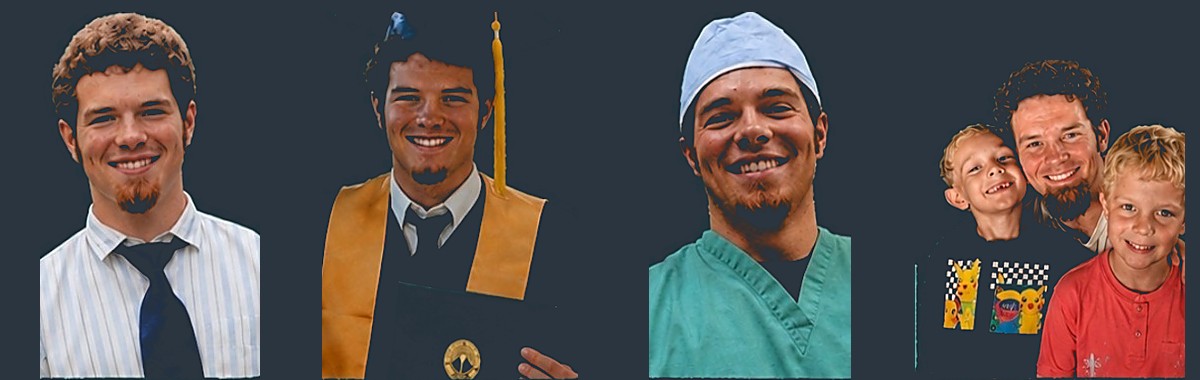
Jacob went back to Purdue University and finished his degree, something that had once seemed impossible. That is usually where a survivor story stops, on the degree, with the hard part behind him.
His did not stop there. He had wanted to fly. Post-injury seizures disqualified him under Federal Aviation Administration rules, and the career closed before it opened. A brain injury does not only take what it takes on the day; it keeps taking, quietly, from the list of things a person is still allowed to become.
He kept going anyway. He tried truck driving. He worked with the Transportation Security Administration. But the seizures continued and so did the chronic migraines, and consistency was not something he could promise an employer. After years of pushing through, he was approved for disability.
What he does anyway
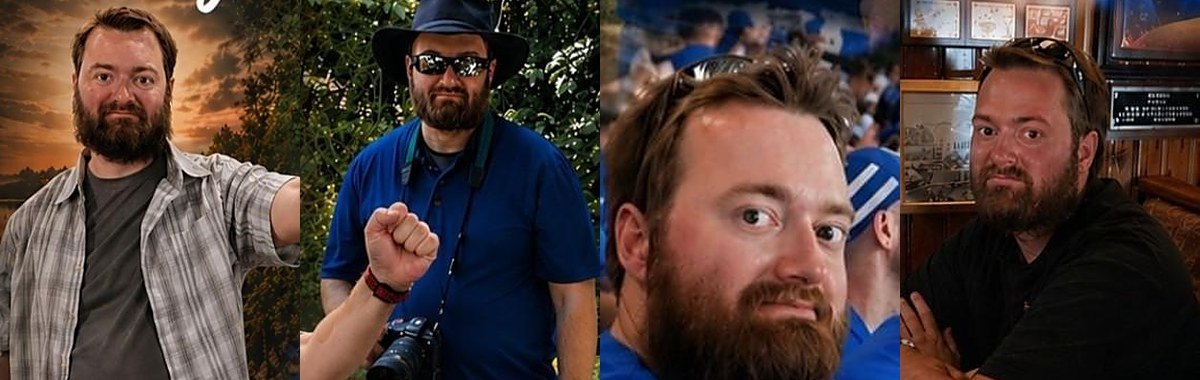
Jacob has a love for music and a natural talent for photography. He works when he can, driving for Uber. He volunteers with Samaritan’s Purse.
And he gives rides to other brain injury survivors so they can get to support groups and special events.
That last sentence is easy to read past, so it is worth a second look. A man whose own body will not let him promise an employer a steady schedule is the reason other survivors get to the room where people understand them. The support group happens because somebody drives.
Jacob didn’t just survive — he adapted. He lifts others up while continuing to rise himself.
From Jacob’s story
The gap, seen from inside it
The lives of TBI survivors are forever changed. They must adjust their lives, compensate for disabilities, and rebuild what was taken from them.
What Jacob’s story shows is what the gap actually looks like from the inside. It is not primarily an absence of programs. It is an absence of the ordinary things that make a program reachable — a ride, a neighbor, a door down the hall. Brain injury survivors need to be connected to other survivors, because no one else entirely understands. Right now, for the people in Jacob’s circle, that connection depends on one man with a car and an unpredictable week.
Thousands of survivors across Indiana have no one in that role at all. When the hospital discharges them and the therapy ends, most face a choice between a nursing home built for someone else’s needs, a family member’s spare bedroom, or nothing at all.
Villa Licci will be a residential community in Central Indiana built specifically for adult brain injury survivors — roughly fifty one- and two-bedroom apartments across thirteen acres, with a gathering room, a chapel, walking paths, gardens and a pond. It will not be a medical facility. It will be a place to live semi-independently, among neighbors who understand what a “before and after” means because they have one too.
There are no other residences serving this exact population anywhere in the country — not one.
A community like that makes the ride unnecessary. The meeting is down the hall.
Help build it before the year ends
The first residential building will cost $14.5 million, and every dollar of it will come from people who chose to build it.
If you are deciding where your year-end giving goes, this is what each gift does.
- $50 helps furnish a resident’s apartment
- $250 supports the community spaces where survivors will find each other
- $1,000 moves a square foot of the first residential building from drawing to reality
- $25/month keeps the work moving month after month, all the way to move-in day
A gift made by December 31 counts toward this tax year. A monthly gift started now keeps the work moving straight through the next one.
Villa Licci is a registered 501(c)(3) nonprofit. Gifts are tax-deductible. EIN 83-0873470.